If your heating or cooling system is acting up — or you’ve just received a repair estimate that made your jaw drop — you’re probably wondering whether it’s time to replace the whole thing. It’s a fair question, and an important one. A new HVAC system is one of the biggest home investments you’ll make. But with the right information, it’s also one that pays off for years to come.
This guide breaks down exactly what a new HVAC system costs in 2026, what drives those costs up or down, and how to make sure you’re getting a fair deal. Whether you’re replacing an aging central air system, upgrading to a heat pump, or exploring ductless mini-splits for the first time, we’ve got you covered with real, current pricing data.
A new HVAC system costs between $5,000 and $22,000 in 2026, with most homeowners spending around $7,500 to $14,000 for a full replacement. The national average sits near $7,500 for a standard change-out and $13,000 to $14,000 for a complete system with new ductwork in a 2,000–2,500 sq ft home.
Average HVAC System Cost in 2026
Nationally, HVAC replacement costs have climbed modestly heading into 2026 — driven by labor shortages in the trades, material price increases of 3 to 6%, and ongoing tariff pressures on imported equipment components. Here is a clear breakdown of what you can expect to pay depending on the scope of your project:
| Project Type | Average Cost Range | Typical Timeline |
|---|---|---|
| Basic Change-Out (reuse existing ducts) | $5,000 – $11,000 | 1 day |
| Full Replacement with Ductwork | $7,000 – $16,000 | 3–5 days |
| Premium System + Ductwork + Add-Ons | $9,500 – $22,000+ | 4–7 days |
| New Construction HVAC Install | $1.75–$2.50/sq ft | 2–4 days |
| National Average (2,000–2,500 sq ft home) | $11,590 – $14,100 | 1–5 days |
A basic change-out — swapping out your existing furnace and AC unit without touching the ductwork — is the most affordable path. This works well when your ductwork is in solid condition (typically under 15 years old), and your home layout hasn’t changed. If the ducts need work, or if you’re upgrading to a significantly larger or more efficient system, costs rise quickly.
HVAC Cost by System Type
The type of system you choose has the single biggest impact on what you’ll pay. Here’s a side-by-side comparison of the most common residential options:
| System Type | Installed Cost Range | Best For |
|---|---|---|
| Central AC + Gas Furnace (Split System) | $5,000 – $12,000 | Homes with existing ductwork |
| Central AC + Electric Furnace | $4,700 – $10,600 | Mild climates, no gas line |
| Air-Source Heat Pump (Ducted) | $4,300 – $8,000 | Moderate climates, all-electric homes |
| Ductless Mini-Split (1 zone) | $2,000 – $5,000 | Additions, rooms without ducts |
| Multi-Zone Mini-Split System | $5,000 – $14,500 | Homes without existing ductwork |
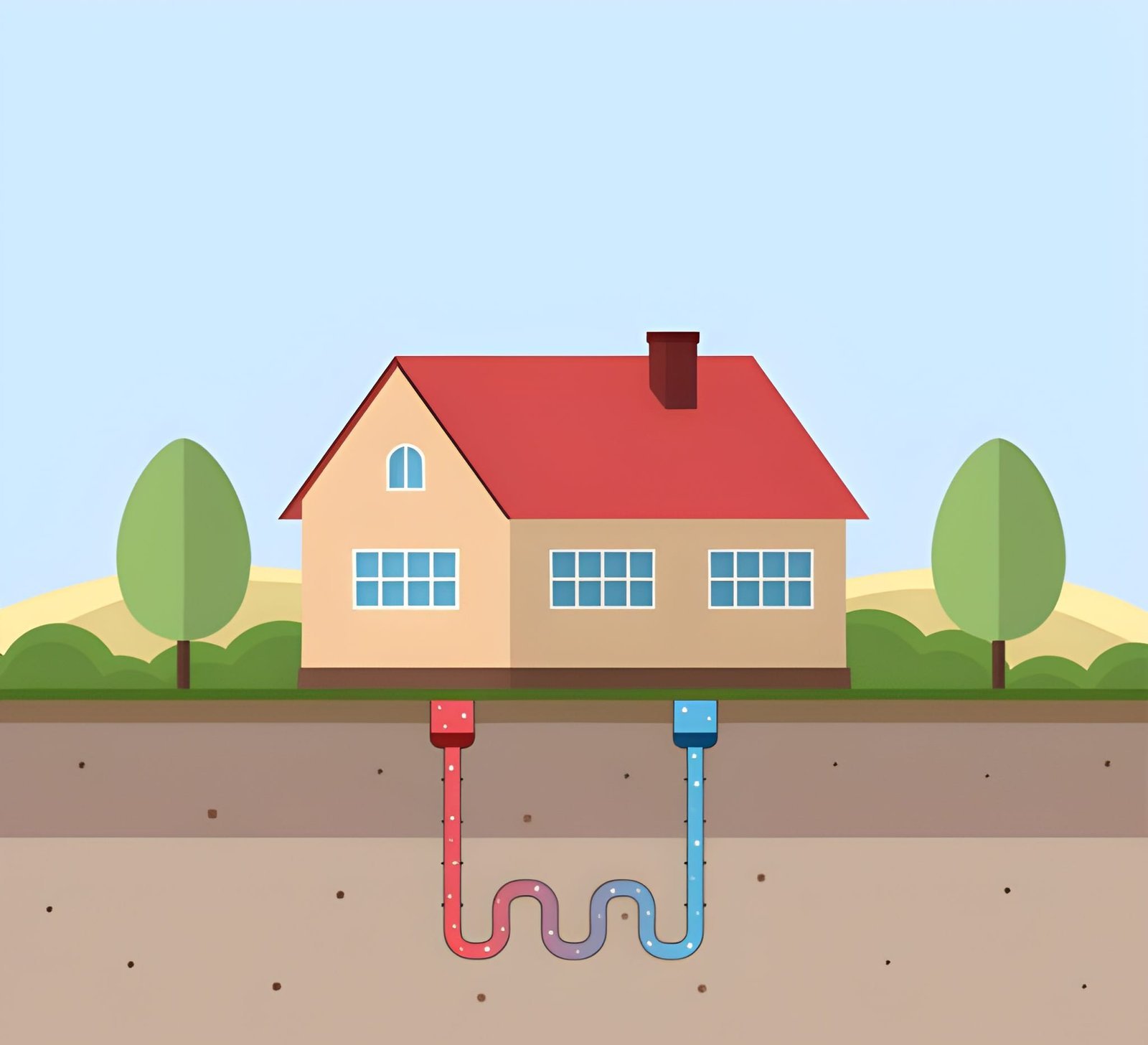
| Geothermal Heat Pump | $6,000 – $20,000+ | Long-term energy savings |
| Boiler System | $3,700 – $12,000 | Radiant or baseboard heating |
Central Air Conditioning + Furnace (Split System)
This is the most common setup in American homes — a separate outdoor condenser for cooling and an indoor furnace for heating, connected through a duct system. If your home already has ductwork in reasonable shape, this is typically the most straightforward and cost-effective replacement option. Gas furnaces cost more upfront than electric models but tend to operate more cheaply in cold climates.
Heat Pumps
Heat pumps are increasingly popular in 2026, and for good reason. They provide both heating and cooling from a single system, and in moderate climates, they can reduce energy costs by 30% to 50% compared to running a separate furnace and AC. The tradeoff is a slightly higher upfront cost — typically $800 to $1,400 more than a comparable furnace — but federal tax credits and utility rebates can significantly close that gap. In very cold climates, a dual-fuel system (heat pump plus a gas furnace backup) offers the best of both worlds.
Ductless Mini-Splits
Mini-splits shine in homes without existing ductwork, room additions, older homes with radiators, and spaces where running new ducts would be prohibitively expensive. A single-zone system covering one room starts around $2,000 installed, while a whole-home multi-zone setup can run $5,000 to $14,500. They’re more expensive upfront than central systems on a per-square-foot basis — roughly 30% higher — but their efficiency is excellent and operating costs are lower over time.
What Factors Affect HVAC Cost?
Two homeowners in the same city can receive HVAC quotes that differ by $5,000 or more. Here’s why:
1. Home Size and System Capacity
HVAC systems are sized in tons (a measure of cooling capacity, not weight). Most 2,000 sq ft homes need a 3-ton unit. As a general rule, plan on $3 to $6 per square foot for a full HVAC system including installation. Oversized systems cost more AND perform worse — they short-cycle, remove less humidity, and wear out faster. Always insist that your contractor perform a Manual J load calculation to determine the correct size.
| Home Size | Recommended System Size | Estimated Total Cost |
|---|---|---|
| Under 1,000 sq ft | 1.5 – 2 tons | $5,000 – $9,000 |
| 1,000 – 1,500 sq ft | 2 – 2.5 tons | $6,000 – $11,000 |
| 1,500 – 2,000 sq ft | 2.5 – 3 tons | $7,500 – $13,000 |
| 2,000 – 2,500 sq ft | 3 – 3.5 tons | $10,000 – $16,000 |
| 2,500 – 3,500 sq ft | 3.5 – 5 tons | $13,000 – $20,000+ |
2. Energy Efficiency Ratings
Higher efficiency costs more upfront but saves money over the system’s lifetime. For air conditioners and heat pumps, the key rating is SEER2 (Seasonal Energy Efficiency Ratio). The federal minimum standard was updated in 2023, and higher-SEER models command a premium. For furnaces, AFUE (Annual Fuel Utilization Efficiency) is the key metric — a 96% AFUE furnace wastes only 4% of the fuel it burns, versus 80% for a standard model.
💡 Tax Credit Tip: The federal Inflation Reduction Act (IRA) offers tax credits of up to $2,000 for qualifying heat pumps and up to $600 for high-efficiency furnaces and ACs. Many utility companies also layer on additional rebates. These incentives can meaningfully reduce your net cost — always research them before finalizing a purchase.
3. Ductwork Condition
If your ducts are over 15 years old, poorly sealed, or incorrectly sized for a new, higher-efficiency system, replacing them is often the right call — even though it adds $1,400 to $5,600 to the project. Leaky ducts can reduce system efficiency by 20% to 30%, meaning you’d pay for a high-efficiency unit but never see the efficiency gains. Ask your contractor to test duct leakage before finalizing a quote.
4. Labor and Local Market
HVAC labor rates run $75 to $150 per hour nationally, with significant regional variation. California, the Northeast, and other high-cost-of-living areas routinely run $2,000 to $4,000 more for the same job than markets in the Southeast or Midwest. Installation complexity matters too — systems in cramped attics, rooftops, or tight crawl spaces carry a premium for the extra labor involved.
5. Brand and Equipment Quality
Top-tier brands like Carrier, Trane, Lennox, and Bryant command higher prices for a reason — they use better components, offer longer warranties, and have extensive dealer service networks. Mid-tier brands like Goodman, Rheem, and Ruud offer solid reliability at a lower price point. For most homeowners, a well-installed mid-tier system outperforms a poorly installed premium unit every time. Brand is secondary to installation quality.
6. Permits and Code Compliance
Permit fees for HVAC replacement typically run $100 to $250. New installations with ductwork can require permits costing $250 to $1,500. Most reputable contractors include permit fees in their quotes — always ask if permits are included and never work with a contractor who suggests skipping the permit process. Unpermitted work can create problems with homeowners’ insurance and with selling the home.
7. Tariffs and Supply Chain in 2026
Import tariffs on steel, aluminum, and components from certain countries continue to affect HVAC pricing in 2026. Manufacturers like Daikin, Mitsubishi, and others with Asian production have passed some of these costs to consumers. The practical takeaway: prices are trending upward, not down, and there is no strong financial case for waiting to replace an aging system.
HVAC Cost by Top Brands
Here’s a quick reference for how major brands compare on price and positioning:
| Brand | Tier | Typical System Cost | Known For |
|---|---|---|---|
| Carrier | Premium | $6,500 – $14,000+ | Reliability, wide dealer network |
| Trane | Premium | $6,000 – $15,000+ | Durability, strong warranties |
| Lennox | Premium | $7,000 – $16,000+ | High efficiency, smart features |
| Bryant | Mid-Premium | $5,500 – $12,000 | Value, Carrier-built quality |
| Rheem | Mid-Tier | $4,500 – $11,000 | Affordability, solid performance |
| Goodman | Value | $3,500 – $9,000 | Lowest upfront cost |
| Mitsubishi | Premium Ductless | $4,000 – $16,000 | Mini-split specialist |
| Daikin | Mid-Premium | $4,500 – $13,000 | Efficiency, global quality |
Signs You Need a New HVAC System — Not Just a Repair
One of the most common questions homeowners face is whether to repair or replace. Here’s a framework used by experienced technicians:
- Age over 12–15 years: Systems older than 12–15 years are approaching the end of their serviceable life. Even if they haven’t broken down, their efficiency has likely degraded significantly.
- The 50% Rule: If the repair cost exceeds 50% of the cost of a new system, replacement is almost always the smarter financial decision.
- Frequent breakdowns: If you’ve had two or more significant repairs in the past two years, the compressor, heat exchanger, or other major components are likely failing.
- Rising energy bills: A system losing efficiency can increase your energy bills by 10% to 30% annually — that’s real money that offsets the cost of replacement.
- R-22 refrigerant: Older systems using R-22 (phased out in 2020) face extremely high repair costs when refrigerant leaks occur. Replacement is often unavoidable.
- Uneven heating/cooling or humidity issues: These often indicate a failing or improperly sized system, not just a minor repair.
How to Get the Best Price on a New HVAC System
The difference between the highest and lowest legitimate quote for the same job can be $3,000 to $5,000. Here’s how to navigate the process like a pro:
Get 2–3 Written, Itemized Quotes
Never accept a verbal quote. Each written quote should list the specific make and model numbers of all equipment, ductwork scope, any electrical upgrades, permits and disposal fees, labor, thermostat, warranty terms, and commissioning details. Compare line by line — a lower total price may simply mean excluded work that will show up as a surprise charge later.
Time Your Purchase Strategically
HVAC installation in late fall (October–November) and late winter (February–March) tends to be cheaper than peak summer and deep winter months. Some contractors offer seasonal discounts of 15% to 20% on systems during slower periods. If your current system is functional but aging, planning for an off-peak installation can save you several hundred to a few thousand dollars.
Ask About Rebates and Tax Credits
Before finalizing any quote, research what federal, state, and utility rebates apply to your situation. The federal IRA heat pump tax credits and energy efficiency credits are available through 2032. Your contractor should know about these — if they don’t, that’s a yellow flag.
Insist on a Manual J Calculation
A proper Manual J heat load calculation is the only accurate way to size an HVAC system for your specific home. Contractors who skip this step and just “match the old unit size” are taking a shortcut that often results in an oversized system — which is worse for comfort, efficiency, and equipment longevity.
Check Licensing, Insurance, and Reviews
Your HVAC contractor should be licensed in your state, carry liability insurance and workers’ compensation, and have verifiable reviews from recent local customers. Permits pulled in your name? That’s actually a good sign — it means the work will be inspected and code-compliant.
Financing and Ways to Reduce Costs
A new HVAC system is a significant expense, but several paths exist to make it more manageable:
- Manufacturer financing: Most major brands offer 0% or low-interest financing through their dealer networks, sometimes for 12–24 months. This is often the best deal available.
- PACE financing: Property Assessed Clean Energy programs allow you to finance energy-efficient upgrades repaid through your property tax bill — available in many states.
- Home equity loan or HELOC: For larger projects, a HELOC often offers the lowest interest rate since it’s secured by your home’s value.
- Federal IRA tax credits: Up to $2,000 for qualifying heat pumps and $600 for qualifying ACs and furnaces — money directly off your tax bill, not just a deduction.
- Utility rebates: Visit the ENERGY STAR rebate finder or your utility company’s website. In some markets, rebates of $500 to $2,000 are available for high-efficiency equipment.
Summary
The most important thing you can do is get at least two or three itemized, written quotes from licensed contractors. Prices vary significantly by region and by contractor, and the cheapest quote is not always the best value. A properly sized, correctly installed system from a reputable contractor — even at a slightly higher price — will outperform a budget installation every time.
When you’re ready to move forward, look for a contractor who insists on doing a Manual J calculation, pulls permits, and provides a detailed written scope. Those are the green flags that signal you’re working with a professional who will stand behind their work.
Frequently Asked Questions
How long does a new HVAC system last?
A well-maintained central AC system lasts 15 to 20 years. A gas furnace typically lasts 15 to 25 years. Heat pumps generally last 15 to 20 years. Ductless mini-splits, with their variable-speed compressors, often last 20+ years with proper maintenance. Consistent annual tune-ups are the single biggest factor in maximizing lifespan.
Is it better to repair or replace my HVAC system?
Use the 50% rule as your starting point: if the repair costs more than half the price of a new system, replacement typically wins. Factor in the age of the system, its energy efficiency compared to modern units, and your plans for the home. If you’re staying put for 5+ years, the energy savings and reliability of a new system usually make replacement the smarter financial decision.
What is the most energy-efficient HVAC system in 2026?
Variable-speed heat pumps — particularly cold-climate models from brands like Mitsubishi, Daikin, and Bosch — represent the top tier of residential efficiency. They can achieve efficiency ratings (COP) of 3.0 or higher, meaning they produce three units of heating energy for every unit of electricity consumed. Paired with solar panels, they’re as close to zero-operating-cost heating and cooling as residential technology currently allows.
Will HVAC prices go up in 2026?
Based on current industry trends, yes. Material costs, labor shortages, and ongoing tariff pressures are all pushing prices upward. Industry analysts point to a 3% to 6% equipment price increase and rising labor costs as the skilled trades workforce continues to shrink relative to demand. If your system is aging, there is no strategic advantage in waiting — and a real financial cost to doing so.
Do I need to replace ductwork when I replace my HVAC system?
Not always. If your ductwork is under 15 years old and in good condition, a change-out is often appropriate. However, if ducts are older, visibly damaged, improperly sized, or excessively leaky, replacing them alongside the HVAC system saves money in the long run — both in contractor labor costs and in ongoing energy bills. Ask your contractor to perform a duct leakage test before making this decision.