If your air conditioner just died in the middle of a heatwave — or it’s been limping along for the past few summers — you’re probably after one thing right now: a real, honest number. Not a vague “it depends.” Not a bait-and-switch estimate. Just a clear picture of what a new AC unit actually costs in 2026.
Here’s your direct answer: most homeowners pay around $6,000 for a new central AC unit, with typical installation costs ranging from $5,000 to $12,000. That said, the full spectrum is wide. Window AC units start at $150–$750, with no installation required, while geothermal systems can cost as much as $13,000–$36,000 in total.
What drives that spread? System type, unit size, brand, energy efficiency rating, your home’s existing ductwork, and local labor rates. This guide breaks down every one of those factors — with real 2026 numbers — so you know exactly what to expect and how to avoid overpaying.
| AC System Type | Typical Cost Range (Installed) |
|---|---|
| Window / Portable Unit | $150 – $750 |
| Ductless Mini-Split (per zone) | $3,000 – $7,500 |
| Central Air — Standard | $5,000 – $8,300 |
| Central Air — Mid-Range | $8,300 – $12,500 |
| Central Air — High-Efficiency / Variable-Speed | $14,000+ |
| Full HVAC System (AC + Furnace) | $10,000 – $22,000 |
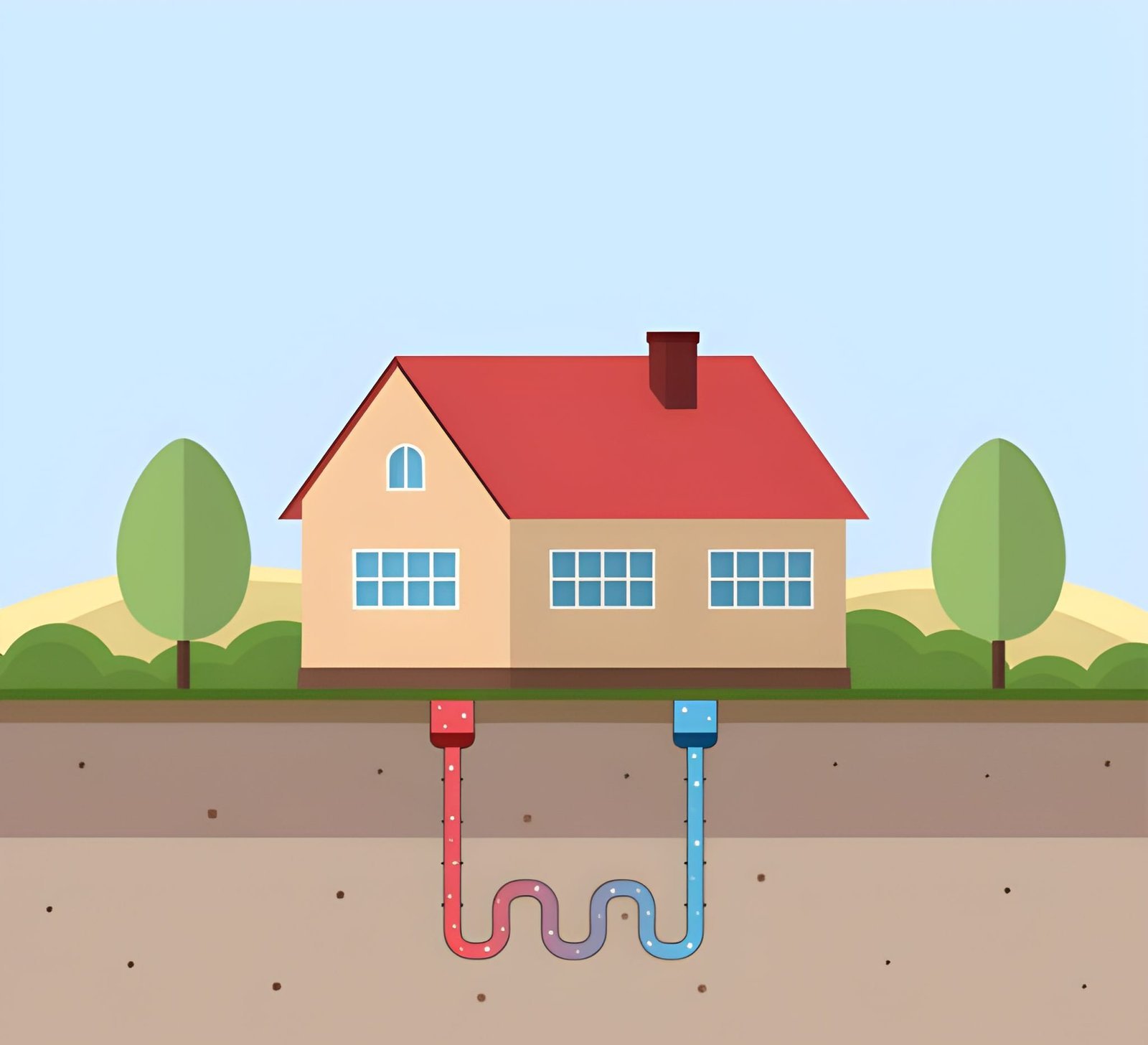
| Geothermal System | $13,000 – $36,000 |
What Factors Determine the Cost of a New AC Unit?
No two homes are identical, and no two installations are priced the same. Understanding what drives the cost is the first step to making a smart purchasing decision. Here are the factors that matter most.
1. Type of Air Conditioning System
The system type is the single biggest cost variable you’ll encounter. Central air conditioning remains the most popular option for whole-home cooling in the U.S. It circulates conditioned air through your home’s existing ductwork, making it a practical and cost-effective choice if your ducts are already in good shape. If they’re not, adding or repairing ductwork can push your total up by several thousand dollars.
Ductless mini-split systems are a strong alternative for homes without ductwork, additions, sunrooms, or spaces where zoned control makes sense. Each indoor head operates independently, delivering precise temperature control in individual rooms — but the per-zone cost is higher than central air. Choosing a different AC system, such as a ductless mini-split or heat pump, can place your total well outside the $5,000–$12,000 central air range.
2. System Size (Tonnage)
AC units are sized in “tons” — a measure of cooling capacity, not physical weight. One ton equals 12,000 BTUs of heat removal per hour. Getting this right matters enormously. A system that’s too small won’t cool your home effectively, while an oversized unit can lead to rising energy bills and high humidity — and the only fix for an improperly sized unit is AC replacement.
An ACCA Manual J Load Calculation determines what size AC system your home truly needs, and your HVAC contractor may do this calculation for free or include the cost in their estimate. Don’t skip it.
| AC Unit Size | Typical Home Size | Estimated Cost (Installed) |
|---|---|---|
| 1.5 – 2 ton | Up to 1,200 sq ft | $3,500 – $5,500 |
| 2.5 ton | 1,200 – 1,500 sq ft | $4,200 – $6,000 |
| 3 ton | 1,500 – 2,000 sq ft | $4,500 – $7,000 |
| 3.5 ton | 2,000 – 2,500 sq ft | $5,000 – $7,500 |
| 4 ton | 2,500 – 3,000 sq ft | $5,500 – $8,500 |
| 5 ton | 3,000 – 4,000 sq ft | $6,000 – $10,000 |
3. Energy Efficiency Rating (SEER2)
Efficiency is measured through the SEER2 (Seasonal Energy Efficiency Ratio 2) rating — the higher the number, the less electricity the unit consumes to cool the same space. Federal regulations require a minimum 14 SEER rating (13.4 SEER2) in northern and southwestern states, and a minimum 15 SEER (14.3 SEER2) in southeastern regions where it’s hotter.
Higher-efficiency models cost more upfront, but they deliver real savings over time. According to the U.S. Department of Energy, newer air conditioner designs use 30–50% less energy than they did 30–40 years ago, and even 10-year-old units can use 20–40% more energy than current models. If you’re planning to stay in your home for a decade or more, moving up a few SEER2 points is almost always worth it.
4. Compressor Type
The compressor is the heart of your AC system, and the technology it uses has a direct impact on both your comfort and your bill:
- Single-Stage Compressor: Operates at full capacity or not at all. It’s the most affordable option and gets the job done, but it can create noticeable temperature swings and runs less efficiently in mild conditions.
- Two-Stage Compressor: Runs at a lower setting during mild weather and ramps up when needed. Better humidity control, quieter operation, and improved efficiency compared to single-stage.
- Variable-Speed Compressor: Continuously modulates its output to precisely match your home’s cooling demand at any given moment. The most efficient, quietest, and comfortable option — but it carries the highest upfront cost.
5. Labor and Installation Costs
Labor is a significant portion of what you’ll pay — and it varies more than most people expect. On average, you can expect to pay between $500 and $2,500 for labor to install a standard central AC system, or between $75 and $250 per hour. A typical replacement job takes 4–8 hours, though more complex installs can run longer.
Location, climate, installation complexity, and brand all affect the final labor figure — contractors charge more in areas with higher living costs or higher seasonal demand. Scheduling your installation in spring or fall rather than peak summer can save you 10–15% on labor alone.
6. Additional Costs to Budget For
The equipment-plus-installation quote your contractor gives you isn’t always the final number. Several common add-ons can push the total higher:
| Additional Cost Item | Typical Price Range |
|---|---|
| New or repaired ductwork | $1,000 – $5,000 |
| Electrical panel upgrade / new circuit | $100 – $1,500 |
| Smart thermostat installation | $150 – $500 |
| Permits and inspection fees | $100 – $1,500 |
| Condensate drain line work | $180 – $500 |
| Refrigerant recharge (R-32 / R-454B) | $100 – $400 |
| Whole-home air purification / HEPA system | $500 – $2,000 |
New AC Unit Cost by Brand: What Are You Really Paying For?
Brand selection is one of the most consequential decisions you’ll make. The gap between a budget and a premium brand can be $3,000–$10,000 on the same job, and that difference needs to be justified by reliability, efficiency, and long-term value, not just a name on a box.
Budget-Friendly Brands: Goodman & York
Goodman air conditioner prices range from $1,200 to $4,500 for the unit alone, or $3,200 to $6,500 installed. Today’s Homeowner — making it one of the most accessible options for homeowners who need reliable performance without premium pricing. York sits in a similar range and is well-regarded for durability.
The honest trade-off here is that budget brands use more standardized components (which actually makes them easier and cheaper to service), but they typically offer fewer advanced features, shorter warranties, and lower top-end SEER2 ratings than premium competitors.
Mid-Range Brands: Rheem, American Standard & Carrier
Midrange brands, including Rheem, American Standard, and Amana, offer a compromise on price and quality that many homeowners find just right. American Standard, in particular, shares significant engineering DNA with Trane but typically costs less, making it one of the best value propositions in the mid-tier market.
Carrier occupies the upper end of this middle range. When comparing Carrier to other leading brands, it is often priced slightly higher, but its reputation for durability and advanced technology justifies the premium for many buyers. Expect to pay $5,500 to $11,000 installed for a Carrier system, depending on the series.
Premium Brands: Trane & Lennox
These two brands define the top of the residential market. Premium AC brands such as Carrier, Trane, and Lennox cost more but tend to run quieter and last longer. They typically use higher-quality parts, are tested more thoroughly, and offer stronger warranties — but you’ll pay about 15–30% more for these top brands.
Trane AC unit costs typically fall between $2,200 and $3,900 for the unit alone. When you add installation, prices can range from $4,600 to $12,000, with high-end variable-speed models climbing well past that. Lennox prices range from around $5,000 on the low end to $14,000 for a top-of-the-line unit, with the Signature Series commanding the highest prices due to its industry-leading efficiency ratings.
| Brand | Installed Price Range | Best For | Top SEER2 |
|---|---|---|---|
| Goodman | $3,200 – $6,500 | Budget-conscious buyers, rentals | Up to 17 |
| York | $3,500 – $7,000 | Value + dependability | Up to 19 |
| Rheem / Amana | $4,000 – $8,000 | Balanced price and quality | Up to 20 |
| American Standard | $5,000 – $9,500 | Best mid-range value | Up to 22 |
| Carrier | $5,500 – $11,000 | Smart home integration, advanced tech | Up to 24 |
| Trane | $4,600 – $12,000+ | Long-term durability and reliability | Up to 22 |
| Lennox | $5,000 – $14,000+ | Maximum efficiency, quiet operation | Up to 28 |
Signs It’s Time to Replace Your AC Unit
Not sure if you really need a full replacement, or if a repair will do the job? Here are the clearest warning signs that a new system is the smarter investment:
- Your unit is 10–15 years old. Most residential AC systems have a useful life of 10–15 years. As they age, efficiency declines and repair frequency increases — often together.
- Repair costs are piling up. A common rule of thumb: if repairs will cost at least 50% of the cost of a new AC, replacement is the better financial decision.
- Your energy bills keep rising. An aging compressor and deteriorating components force the system to work harder for the same output — and your utility bill reflects it.
- Uneven cooling or humidity problems. Hot spots, rooms that never cool properly, or a home that feels sticky despite running the AC all day are signs of a system that’s no longer performing as designed.
- Your unit uses R-22 refrigerant. R-22 (Freon) was fully phased out in 2020. It’s still available through recovery and reclaim channels, but the cost is prohibitive. If your system uses it, replacement is almost always cheaper than recharging.
- Unusual noises or persistent odors. Grinding, banging, or musty smells can indicate compressor failure or mold growth — problems that typically justify full replacement rather than repair.
How to Save Money on a New AC Unit
A new AC is a major expense, but there are several proven ways to reduce what you pay without cutting corners on quality.
1. Get at Least Three Quotes
Never accept the first estimate. Always get at least two quotes before deciding, as brands, price ranges, and labor costs can vary significantly across providers. Prices for the same equipment and installation can vary by $1,500 or more between contractors in the same area.
2. Schedule in the Off-Season
The best time to install an AC unit is during fall or spring — you can save 10% to 15% during these seasons, when HVAC contractors aren’t booked solid and may be more flexible on pricing.
3. Claim Available Tax Credits and Rebates
The Energy Efficient Home Improvement Tax Credit may apply to ENERGY STAR-rated air conditioners. Check the Database of State Incentives for Renewables and Efficiency (DSIRE) for information on state and local incentives, too. Many utility companies also offer rebates of $200–$1,500 for qualifying high-efficiency systems.
4. Use Manufacturer Financing
Many HVAC companies partner with financing companies to offer no-interest loans for 12–18 months, allowing you to buy a better system without emptying your savings account. Some manufacturers also run seasonal promotions with additional rebates — ask your contractor before signing anything.
5. Don’t Downgrade on Efficiency to Save Upfront
It’s tempting to grab the cheapest unit with the lowest SEER2 rating, but the math often works against you over time. According to the U.S. Department of Energy, newer AC designs use 30–50% less energy than older models, and that efficiency gap compounds on your utility bill every month. If you’re staying in your home for 7+ years, a higher-efficiency model typically pays for itself.
Repair vs. Replace: Making the Right Call
This is the question most homeowners wrestle with, and it doesn’t have a one-size-fits-all answer. Here’s a practical decision framework based on how HVAC professionals approach it:
| Unit is 15+ years old with no major failures | Recommendation |
|---|---|
| Unit under 8 years old, minor repair needed | Repair — likely still cost-effective |
| Repair cost exceeds 50% of replacement cost | Replace — you’re investing in a failing system |
| Unit uses R-22 refrigerant | Replace — refrigerant recharge will cost more than a new system |
| Unit is 15+ years old with any major failure | Replace — efficiency gains will offset the cost |
| Recurring repairs despite recent service | Replace — repeated failures signal systemic decline |
There’s also a useful formula worth knowing: the “$5,000 rule” — multiply the repair cost by the age of your unit in years. If the result exceeds $5,000, replacement is typically the smarter financial move.
What to Expect During AC Installation
Knowing what happens during the AC installation process helps you ask the right questions, spot red flags, and avoid unexpected costs. Here’s what a quality replacement typically looks like from start to finish:
- Load Calculation First: A reputable contractor will perform a Manual J calculation before recommending any equipment. This is non-negotiable. Skipping it leads to an improperly sized system — and the only fix for that is another replacement.
- Old Unit Removal: The existing outdoor condenser and indoor coil are disconnected, and refrigerant is properly recovered in compliance with EPA regulations before disposal.
- New Equipment Installation: The new condenser, evaporator coil, and refrigerant lines are installed and connected. Electrical wiring is run and tied to your thermostat and circuit breaker.
- System Commissioning: The technician charges the system with refrigerant to manufacturer specs, verifies airflow, checks static pressure, and runs the system through all operating modes before signing off.
- Permits and Inspection: Most jurisdictions require a permit for AC replacement. A licensed contractor pulls this automatically — if they don’t mention it, that’s a red flag.
Replacing the outdoor unit only takes 4 to 8 hours. Replacing both the outdoor and indoor units takes 8 to 14 hours. A complete system installation with ductwork modifications can take 2 to 3 days.
Summary
Replacing an air conditioner is one of the larger home improvement investments you’ll make — but it doesn’t have to be an overwhelming one. When you understand what drives the price, you’re in a much stronger position to evaluate quotes, choose the right system, and get lasting value out of your investment.
Here’s what to take away from this guide:
- Most homeowners pay around $6,000 for a new central AC unit, with typical costs ranging from $5,000 to $12,000 depending on type, size, and brand.
- Always require a Manual J Load Calculation before any equipment is recommended.
- Balance upfront cost against long-term efficiency — especially if you’re staying in your home for 10+ years.
- Get at least three quotes, verify licensing and insurance, and read reviews.
- Ask about federal tax credits, utility rebates, and financing before signing.
- Remember that installation quality matters as much as the equipment — a top-of-the-line unit installed poorly will perform worse than a basic model installed correctly.
The right AC system, properly sized and professionally installed, will keep your home comfortable for the next 15 years and beyond. Take the time to choose wisely, and that investment will pay you back every summer.
Frequently Asked Questions
How long does a new AC unit last?
On average, an HVAC system lasts around 15 years. With annual maintenance such as cleaning coils and addressing repairs promptly, you can expect it to last up to 20 years or longer — though this varies based on usage and weather conditions.
Can I install an AC unit myself?
DIY installation of a central air or mini-split system is not recommended and is often illegal without an EPA 608 certification to handle refrigerants. Improper installation also voids manufacturer warranties. Window and portable units are the only types that reasonably lend themselves to self-installation.
Is it worth buying a higher SEER2 unit?
In most cases, yes — particularly in hot climates with long cooling seasons. The difference between a 14 SEER and 16 SEER unit is about $1,500 upfront, but you would save about $13 for every $100 spent on cooling. Over a 10 to 15-year lifespan, that adds up considerably.
Should I replace my AC and furnace at the same time?
If you’re replacing both your furnace and AC, the combined replacement cost typically ranges between $9,000 and $15,000, based on combined efficiency levels and complexity. If your furnace is 10+ years old, doing both at once saves labor costs, ensures the components are properly matched, and avoids a second disruption to your installation down the road.
What refrigerant do 2026 AC units use?
Newly manufactured systems in 2025 and 2026 use more environmentally friendly refrigerants like R-454B, which may slightly increase upfront costs but offer better efficiency, long-term availability, and a smaller environmental footprint compared to the R-410A refrigerant being phased down under EPA regulations.
How do I avoid getting ripped off by an HVAC contractor?
Be wary of quotes well outside market averages — both suspiciously cheap and far higher than the ranges listed. Avoid contractors who don’t provide written estimates with every expense as a separate line item, and always check reviews before you call. A legitimate contractor will always pull permits, perform a load calculation, and explain their recommendations clearly.