Most homeowners only think about their HVAC system in one of two scenarios: when it stops working, or when someone mentions it’s been a while since the last service. If either of those sounds familiar, you’re not alone — and you’re not in bad shape. But you might be spending more money than you realize.
Here’s the truth: skipping or delaying HVAC maintenance isn’t saving you anything. According to the U.S. Department of Energy, an HVAC system that isn’t regularly maintained can use up to 25% more energy than one that receives routine service. That gap adds up quietly, month after month, on every utility bill you pay.
This guide answers the question completely — not just how often but why, when, what gets done, and how to adjust the schedule based on your specific situation. Because a one-size-fits-all answer only works if your home, system, and climate are perfectly average. Spoiler: they rarely are.
How Often Should You Service Your HVAC? The Short Answer
For optimal performance, it’s generally recommended to service your HVAC system twice a year — once in the spring for your air conditioning unit and once in the fall for your heating system. This biannual maintenance prepares your system for the heavy use it will endure during the summer and winter months.
But here’s where most articles stop and leave you without context. Twice a year is the ideal recommendation — it’s not the bare minimum, and it’s not necessarily enough for every home. Let’s break down exactly what the right schedule looks like for your situation.
How Often to Service HVAC: The Complete Schedule Breakdown
New Systems (Under 5 Years Old)
Brand-new HVAC equipment is engineered to run reliably. The components are fresh, tolerances are tight, and wear is minimal. Newer and low-to-moderate use systems are generally fine with just one maintenance visit per year — though twice yearly remains the gold standard for protecting your warranty.
One critical point homeowners miss: regular maintenance often helps maintain manufacturer warranty requirements, which frequently stipulate routine service to keep the warranty valid. Skipping service on a new system could leave you unprotected if something goes wrong in year three.
Recommended frequency: Once a year minimum; twice yearly ideal
Mid-Life Systems (5–10 Years Old)
This is where the maintenance question becomes genuinely important. Your system has been running for thousands of hours. Components have experienced wear. Efficiency has quietly declined — even if the system still seems to work fine from where you’re sitting.
When your system is in the middle of its life cycle, it needs a little more attention. Instead of a basic inspection, the entire system should be checked. A complete system cleaning is recommended.
Recommended frequency: Twice a year — spring and fall, without exception
Older Systems (10+ Years)
Once your system is older than a decade, it’s time to treat it more carefully. That’s when twice-per-year maintenance is essential — keeping it in top shape right before the heating season and the cooling season will help you feel secure that it won’t fail when you need it most.
An older system working hard in extreme temperatures is an expensive repair waiting to happen. Regular service at this stage isn’t optional — it’s damage control and a financial decision wrapped into one.
Recommended frequency: Twice a year minimum; consider additional checks for systems over 15 years old
Heat Pumps and Dual-Function Systems
If you use a heat pump or another dual-function system that operates year-round, scheduling HVAC service at least every six months is essential to keep it running smoothly. Because these systems handle both heating and cooling without seasonal downtime, they accumulate more annual operating hours than conventional setups, which means components wear faster and maintenance is even more critical.
Recommended frequency: Every six months, without variation
The Best Time of Year to Service Your HVAC
Knowing how often is only half the equation. Timing your service visits correctly means your system is ready exactly when it matters most.
Spring Service (March–May) — Air Conditioning Tune-Up
Spring is the ideal window to prepare your cooling system before temperatures climb and HVAC technicians become fully booked. Spring service typically includes cleaning or replacing the air filter, inspecting the evaporator and condenser coils, checking refrigerant levels, and ensuring that the thermostat is calibrated correctly.
Schedule this visit before the first heat wave hits. If you wait until July to find out your AC has a refrigerant leak, you’ll be waiting in line behind dozens of other homeowners with the same problem — except they’ll be a lot hotter.
Fall Service (September–November) — Heating System Tune-Up
Fall service prepares your heating system for the cold winter months. During this visit, technicians will clean or replace the air filter, inspect the furnace or heat pump, check the pilot light or ignition system, and ensure the system is operating safely and efficiently.
The keyword there is safely. A furnace inspection isn’t just about efficiency — it’s about carbon monoxide detection, cracked heat exchangers, and combustion system integrity. This is the annual check that has genuine safety implications, not just comfort ones.
What Actually Happens During a Professional HVAC Service Visit?
A lot of homeowners aren’t entirely sure what they’re paying for when they schedule HVAC maintenance. Here’s a transparent breakdown of what a comprehensive professional service typically covers:
Air and Filtration
- Inspect, clean, or replace air filters
- Check return air ducts for blockages or leaks
- Assess overall airflow throughout the system
Electrical and Controls
- Test and tighten all electrical connections
- Inspect the control board and safety switches
- Verify thermostat calibration and accuracy
- Test system startup, operation, and shutdown sequences
Mechanical Components
- Lubricate all moving parts — motors, bearings, and fan components
- Inspect belts for wear or tension issues
- Check the blower assembly for dirt buildup
Refrigerant and Coils
- Inspect refrigerant levels and check for leaks
- Clean evaporator and condenser coils
- Check the condensate drain line for blockages
Heating-Specific Checks (Fall Service)
- Inspect the heat exchanger for cracks
- Test the ignition system and flame sensors
- Check burner operation and combustion efficiency
- Inspect the flue and venting system for blockages or deterioration
Cooling-Specific Checks (Spring Service)
- Clean condenser fins and outdoor unit
- Verify proper refrigerant charge
- Test capacitors and contactors
- Measure voltage and current on all motors
Technicians might also offer advice on improving system efficiency, such as upgrading to a programmable thermostat or sealing ductwork leaks — value-added guidance that can pay dividends beyond the maintenance visit itself.
Factors That Affect How Often You Should Service Your HVAC
The twice-yearly guideline is a solid starting point, but your specific circumstances may call for a different approach. Here are the key variables worth considering:
Your Climate and Usage Patterns
Most southern homeowners are twice as likely to over-utilize their HVAC systems as people in most other regions. If this is the case, maintenance scheduling should be more frequent. If the climatic conditions are extreme, then the frequency of servicing should also be higher.
A home in Phoenix, Arizona, running its AC ten months a year, faces a completely different wear profile than a home in the Pacific Northwest using moderate cooling for four months. Match your service frequency to your actual usage, not a national average.
Pets in the Home
Pet dander and hair are among the most aggressive filter-clogging agents there are. If you have one or more animals in the home, your air filters are working significantly harder, your coils accumulate debris faster, and your indoor air quality is under greater pressure. Homes with pets, smokers, or residents with allergies may require more frequent air filter changes and duct cleanings to maintain good indoor air quality.
Indoor Air Quality Concerns
Allergy sufferers, households with asthma, or homes with immunocompromised occupants should treat HVAC maintenance as a health priority, not just a mechanical one. More frequent filter changes and duct inspections directly affect what your family breathes every day.
System Age and Brand Quality
Cheaper brands and entry-level models simply aren’t built to handle the same stress as higher-quality units. If you have a cheaper model HVAC unit, consider increasing your maintenance frequency to ensure it lasts as long as possible.
What Happens When You Skip HVAC Service? The Real Cost
This is where the financial case for regular maintenance becomes undeniable.
Systems that receive regular care can last 15–20 years, while neglected units may need replacement in as little as 10 years. With the average HVAC replacement costing between $5,000 and $10,000, a small investment in maintenance pays huge dividends.
Breaking that down further:
Energy Costs Spiral Upward Well-maintained HVAC units can operate up to 20% more efficiently than neglected ones. The U.S. Department of Energy suggests that proper maintenance can reduce energy consumption by as much as 30%. For the average American household, that’s several hundred dollars annually flowing out the door unnecessarily.
Repair Bills Climb Sharply Unexpected breakdowns can cost homeowners an average of $250 to $1,000 or more in emergency repair fees. Emergency weekend calls carry premium pricing. Parts sourced urgently cost more. A $150 maintenance visit catching a failing capacitor beats a $600 emergency repair call by a wide margin.
Research Backs This Up Conclusively Research shows that 85% of HVAC repairs are related to a lack of proper maintenance. That’s not a minor statistical footnote — that’s the overwhelming majority of breakdowns being caused by something entirely preventable.
Warranty Protection Disappears Some air conditioner manufacturers require proof of regular maintenance to keep warranties valid. Failing to service the unit as recommended could void the warranty, leaving you responsible for costly repairs. A $12,000 system without an active warranty is a financial liability sitting in your utility room.
DIY HVAC Maintenance: What You Can Do Between Professional Visits
Professional service twice a year is the foundation. But there’s meaningful maintenance homeowners can and should perform between those visits.
Monthly Tasks
Check and Change Your Air Filter Check your filter every month, especially during heavy use months in winter and summer. If the filter looks dirty after a month, change it. At a minimum, change the filter every 3 months. A dirty filter will slow down air flow and make the system work harder to keep you warm or cool — wasting energy.
This single task is the highest-value, lowest-cost maintenance action available to any homeowner. Filters typically cost $5–$25. The energy waste and accelerated wear from a clogged filter cost dramatically more over time.
Seasonal DIY Checks
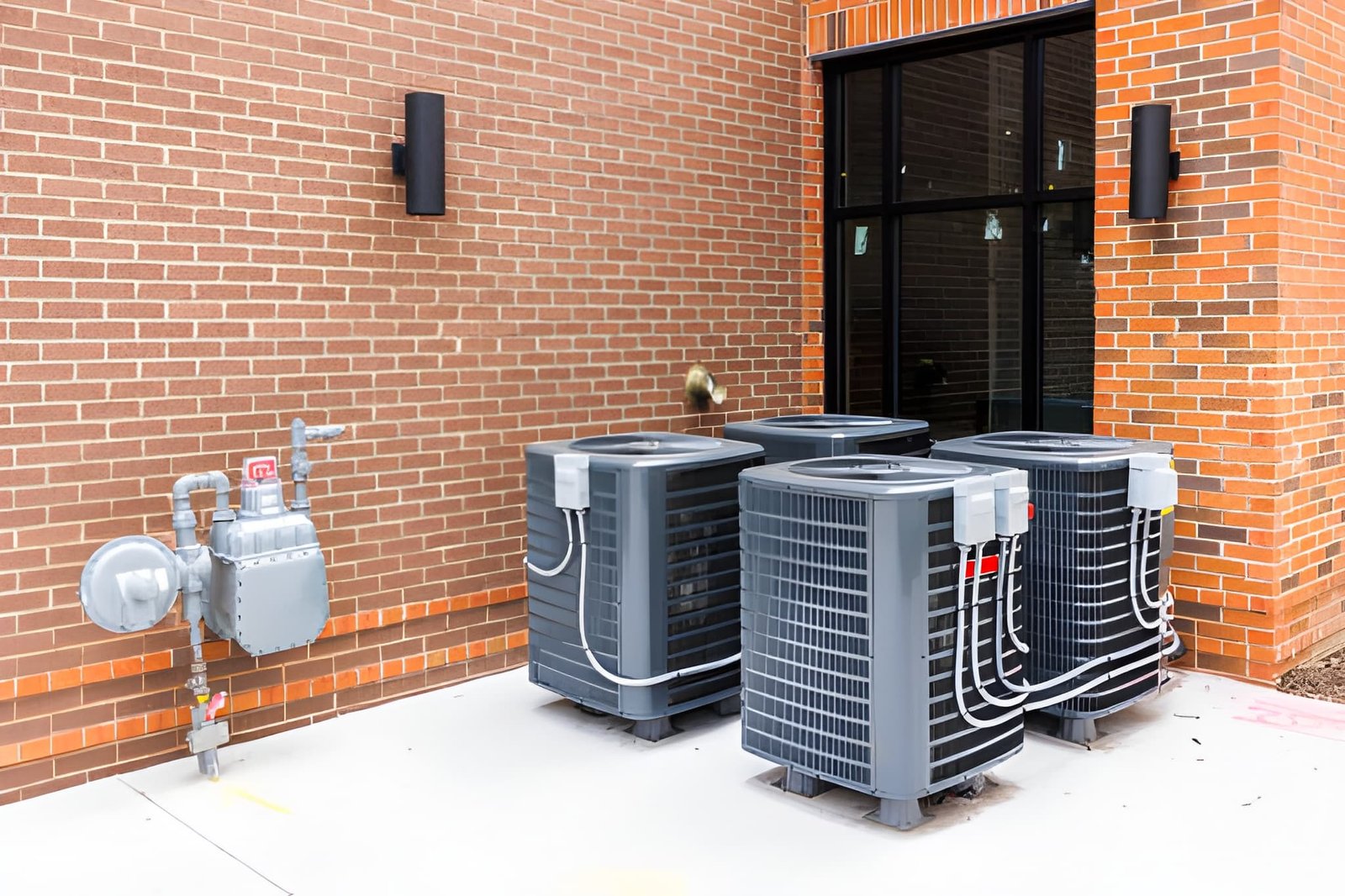
Clear the Outdoor Unit Maintain at least two feet of clearance around your outdoor condenser unit on all sides. Remove leaves, grass clippings, and debris that accumulate on and around the unit. Restricted airflow forces the compressor to work harder — the most expensive component in the system.
Inspect Your Vents and Registers Walk through your home and check that all supply and return vents are open, unobstructed by furniture, curtains, or storage. A blocked vent doesn’t just reduce comfort in one room — it creates backpressure throughout the entire system.
Check the Condensate Drain Line During the summer months, your air conditioner produces more condensation. You should check the drain line before every cooling season. A blocked condensate line can cause water damage, mold growth, and system shutdown through the safety float switch.
Listen to Your System Develop a baseline familiarity with how your HVAC sounds during normal operation. Rattles, squeals, banging, or grinding noises are early warning signs that something mechanical is loosening, wearing, or failing. The sooner these sounds are investigated, the cheaper the repair.
Warning Signs Your HVAC Needs Service NOW — Don’t Wait for Scheduled Maintenance
Routine maintenance is planned. But certain symptoms demand immediate attention regardless of where you are in your service calendar:
Sudden Spike in Energy Bills A sharp spike in your electricity bill is a telltale sign of an HVAC system issue. Using your air conditioner or heater generally increases electricity costs, but an overly high bill may need investigating, especially if your usage doesn’t match the increase.
Inconsistent Temperatures Room to Room If some rooms in your home are too hot or too cold, it may signal a problem with your HVAC system’s airflow or thermostat. This is frequently a ductwork issue, a failing blower motor, or a refrigerant problem — none of which resolve themselves.
Unusual Noises Banging, rattling, or squealing noises could indicate a mechanical issue that needs to be addressed promptly. These sounds indicate physical problems that worsen with continued operation.
Weak or Warm Airflow from Cooling Vents Reduced airflow commonly points to a clogged filter, failing blower, frozen evaporator coil, or refrigerant leak. Warm air from a cooling system almost always indicates a refrigerant or compressor issue.
Ice on the Outdoor Unit or Refrigerant Lines Ice formation on your system is never normal during operation. It typically indicates restricted airflow or low refrigerant — both situations that require professional diagnosis.
Strange Odors Musty smells suggest mold in the air handler or ductwork. Burning smells point to electrical issues. A sulfur or rotten egg smell near a gas-fired system requires immediate shutdown and a service call.
HVAC Maintenance Frequency Quick Reference Guide
| Situation | Recommended Service Frequency |
|---|---|
| New system (under 5 years) | Once a year minimum |
| Mid-life system (5–10 years) | Twice a year |
| Older system (10+ years) | Twice a year — mandatory |
| Heat pump (year-round use) | Every 6 months |
| Home with pets or allergies | Twice a year + monthly filter checks |
| Extreme climate regions | Twice a year minimum |
| Commercial properties | Quarterly inspections recommended |
| Post-renovation or construction | Immediate inspection — drywall dust destroys filters and coils |
Is an HVAC Maintenance Plan Worth It?
Many HVAC companies offer annual or biannual service agreements — a flat fee covering scheduled visits, priority booking, discounted repairs, and sometimes parts coverage. For most homeowners, these plans are financially sensible.
Here’s the math: a standard biannual HVAC maintenance contract typically runs $150–$300 per year. Given that the average emergency repair call costs $250–$1,000, a single prevented breakdown pays for several years of the plan. And that doesn’t account for the energy savings, extended equipment lifespan, or the peace of mind that your system won’t fail during a heat wave or cold snap.
If you have an older system, live in a climate with extreme seasonal demands, or simply can’t afford an unexpected $800 repair bill, a maintenance plan is arguably one of the better household investments available.
Summary on HVAC Service Frequency
Your HVAC system represents one of the largest mechanical investments in your home. It runs thousands of hours annually, works against extreme outdoor temperatures, and is responsible for the health, comfort, and safety of everyone inside.
Twice a year is the professional consensus — spring for cooling, fall for heating. Once a year is the minimum. More frequently for older systems, heat pumps, extreme climates, and homes with air quality concerns. Monthly filter checks and seasonal DIY inspections sit on top of that professional foundation.
Systems that receive regular preventive maintenance typically last 15–20 years, while neglected units typically fail after 10–12 years. The cost of two professional service visits annually is small. The cost of early replacement isn’t.
Schedule your next service before you need to. The best time to service your HVAC is before it gives you a reason to.
FAQs: What Homeowners Are Searching
How often should HVAC be serviced in a mild climate?
Once a year is acceptable for mild climates with moderate seasonal swings. Twice yearly remains the best practice for any system over five years old.
Can I service my HVAC myself?
Homeowners can reliably handle filter changes, outdoor unit cleaning, vent inspections, and condensate drain maintenance. Refrigerant handling, electrical diagnostics, and combustion system checks legally and safely require a licensed HVAC technician.
How often should air ducts be cleaned?
The EPA and NADCA (National Air Duct Cleaners Association) recommend professional duct cleaning every three to five years under normal conditions — more frequently in homes with pets, heavy dust, mold concerns, or recent construction.
What happens if I never service my HVAC?
Dirt and neglect are the top causes of heating and cooling system failure and inefficiency. Without maintenance, expect declining efficiency, rising energy bills, more frequent breakdowns, voided warranties, poor indoor air quality, and significantly shortened system lifespan.
How long does an HVAC service visit take?
A thorough professional tune-up takes approximately 60 to 90 minutes for most residential systems. Complex systems, older equipment, or systems that haven’t been serviced in several years may require additional time.
Is spring or fall service more important?
Both matter for different reasons. Fall service has direct safety implications for gas-fired systems — heat exchanger inspections and carbon monoxide prevention are the priorities. Spring service protects against cooling season failures during peak demand. Don’t choose one over the other.