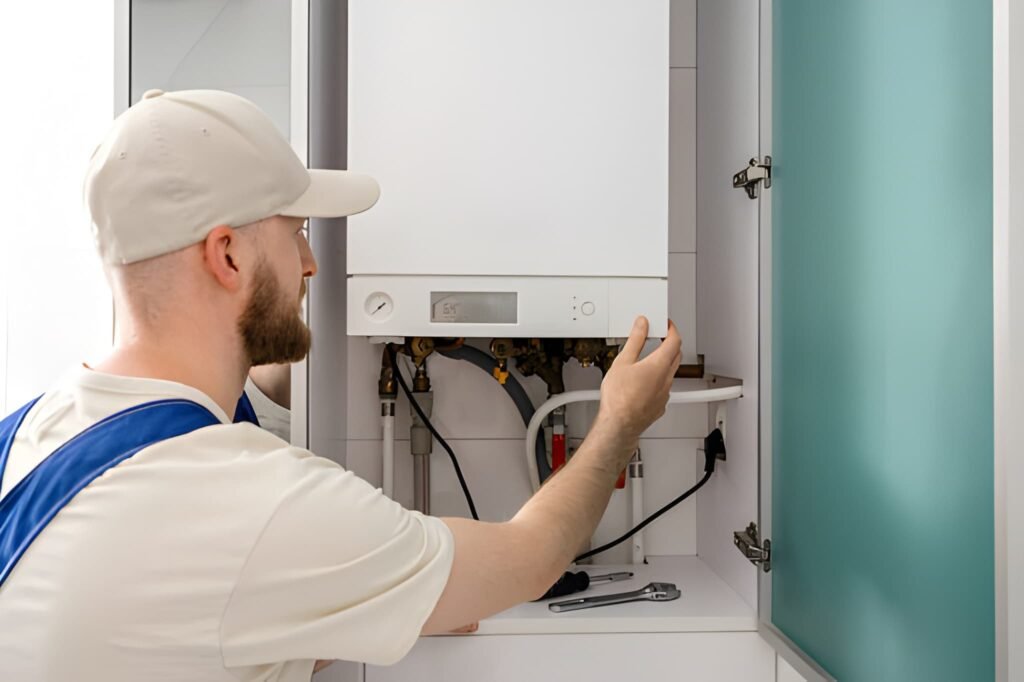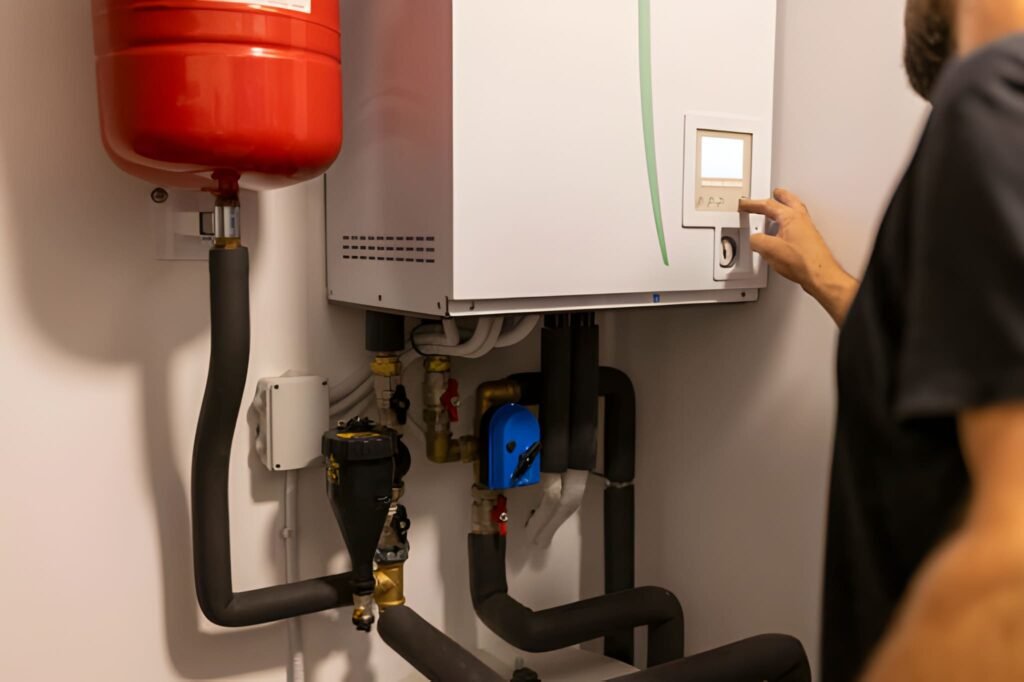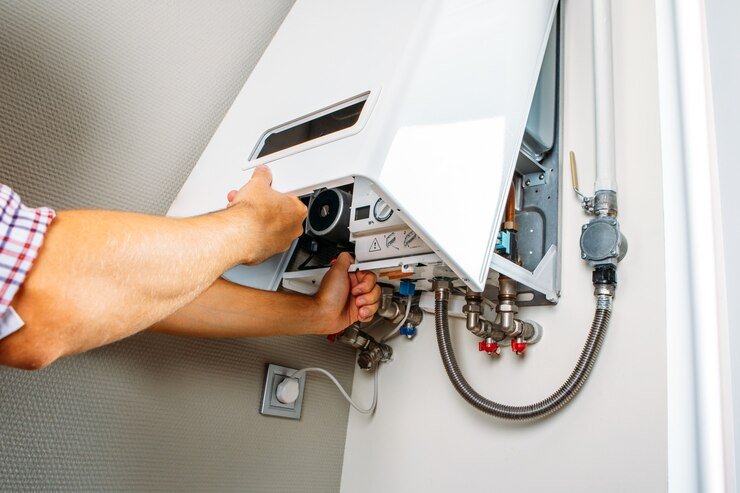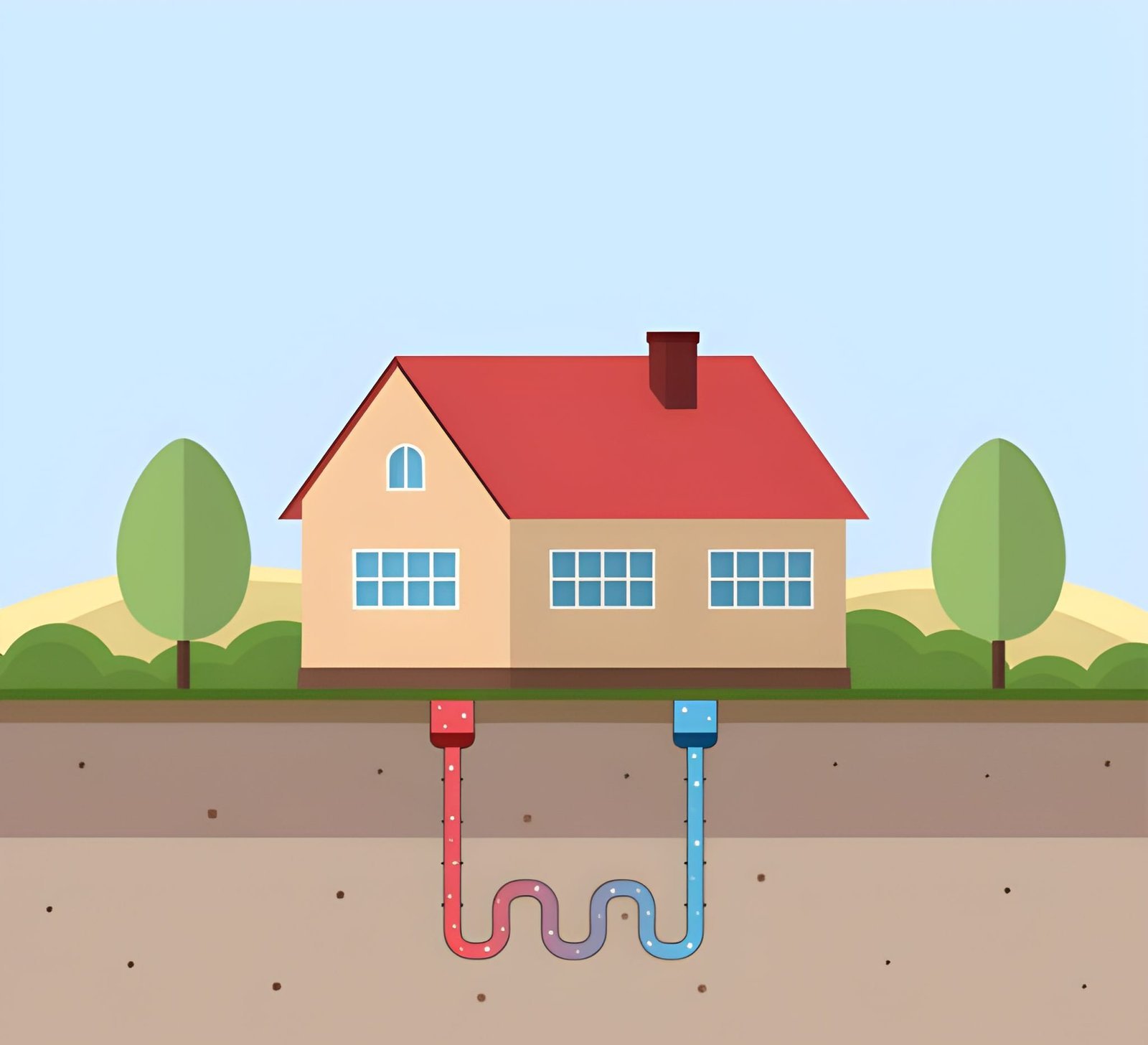


Austin’s climate creates a very specific set of risks for boiler systems that generic HVAC companies often underestimate.
The dormancy problem. Your boiler may run for only 8–10 weeks out of the year in Austin. But those weeks matter — and the months of sitting idle are when problems quietly develop. Pressure vessels lose charge. Zone valves seize. Aquastats drift out of calibration. Expansion tanks waterlog. When temperatures drop and you fire the system back up, a neglected boiler can fail within hours.
The hard water problem. Travis County’s water supply carries minerals that deposit as scale inside your boiler’s heat exchanger over time. Scale acts as an insulator, forcing the burner to work harder to achieve the same output. Left unchecked, it causes hot spots, metal fatigue, pinhole leaks, and eventually — heat exchanger failure.
The freeze event problem. Winter Storm Uri in February 2021 made it undeniable: Austin can freeze. Temperatures dropped below 28°F for consecutive days, overwhelming hydronic systems that weren’t prepared. Austin’s After-Action Report documented boiler failures at hospitals across Travis County. A properly maintained, professionally serviced boiler is far more resilient when the next freeze arrives.
The wrong-contractor problem. Not every HVAC technician is qualified to work on hydronic systems. Boilers involve gas lines, water piping, pressure vessels, combustion analysis, and low-voltage controls — a combination that requires real expertise. Our technicians carry combustion analyzers, digital manometers, and the experience to diagnose hydronic systems accurately the first time.