Your HVAC system dies on the hottest day of the year. You call a contractor, they give you the quote — and suddenly you’re staring at a number somewhere between $7,500 and $15,000. Maybe more.
That moment is when most homeowners realize they haven’t thought about how they’d actually pay for this.
Here’s the truth: you don’t need to have that money sitting in a savings account. There are smart, affordable ways to finance a new HVAC system — and depending on your credit, your home equity, and your timeline, some options will save you thousands over others.
This guide breaks down every major financing route available in 2026, what each one actually costs you over time, and how to choose the best fit for your situation.
What Does a New HVAC System Cost in 2026?
Before diving into financing, it helps to know what you’re actually financing. In 2026, the average cost to replace a full HVAC system (heating and cooling combined) for a typical 2,000–2,500 square foot home runs between $10,000 and $20,000, with most homeowners landing around the $14,000 mark.
That said, your actual number depends on several factors:
- Home size — Larger homes require higher-capacity systems with bigger price tags.
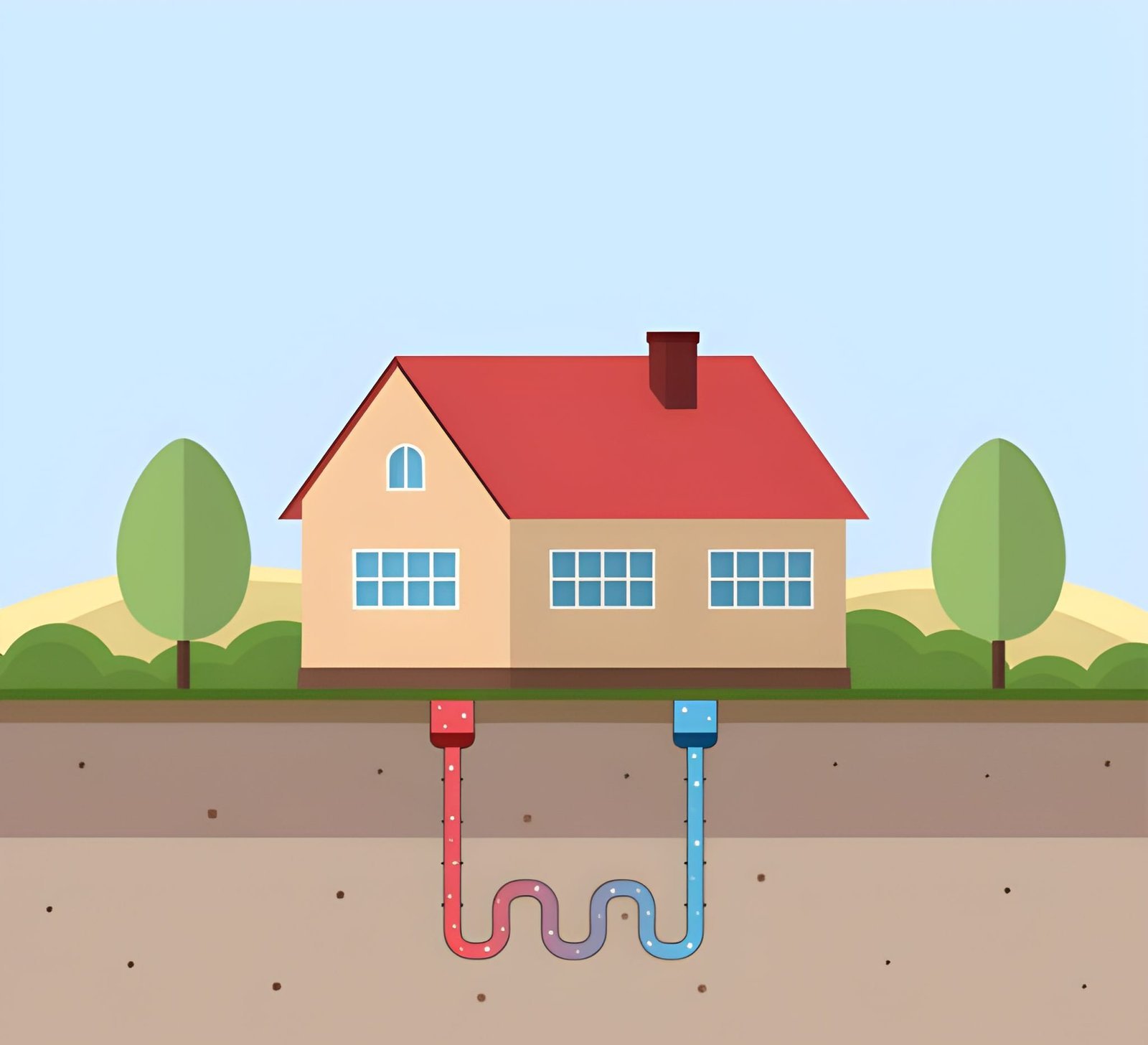
- System type — A standard split system (gas furnace + central AC) is typically less expensive upfront than a heat pump or geothermal system, though the latter may save more long-term.
- SEER2 efficiency rating — Higher efficiency systems cost more upfront, but cut your monthly utility bills significantly.
- Ductwork condition — If your existing ductwork needs repairs or replacement, budget an additional $2,100 to $4,000.
- Brand and features — Premium brands and smart thermostat integration increase the initial investment.
New EPA refrigerant regulations in 2026 have also pushed prices up by 20–30% for some systems as manufacturers transition away from R-410A to newer, more environmentally friendly refrigerants like R-454B and R-32. If your system is aging, the time to replace it is now — before older equipment inventory dries up completely.
Why Finance Instead of Paying Cash?
This is a fair question, and the answer is more nuanced than most people expect.
If you have the cash on hand, you might actually be better off keeping it in a high-yield savings account (currently earning 4–5% APY) and using a low-interest or 0% promotional financing option instead. Your money earns interest while you make predictable monthly payments — and you stay liquid for other emergencies.
Financing also lets you invest in a more energy-efficient system today rather than settling for a cheaper unit that costs you more each month in utility bills. The U.S. Department of Energy estimates that upgrading to a modern high-efficiency system can reduce your cooling and heating costs by 20–40%. On a $250/month energy bill, that’s real money.
That said, financing isn’t free — unless you use it correctly. The wrong financing option can turn a $12,000 system into a $16,000+ commitment once interest is factored in. That’s why choosing the right method matters.
The 6 Best Ways to Finance a New HVAC System
1. HVAC Manufacturer or Dealer Financing (Often the Best Starting Point)
Most major HVAC brands — Trane, Carrier, American Standard, Lennox, Goodman — offer financing programs directly through their certified dealers. These plans are often backed by financial institutions like Wells Fargo or Synchrony, and they’re specifically designed for HVAC purchases.
The biggest draw here is promotional 0% APR financing. Some programs offer zero interest for up to 60 months if the balance is paid in full by the end of the promotional period. For a $12,000 system on a 60-month 0% plan, that’s just $200/month with no interest — one of the most cost-effective financing strategies available.
What to watch for: These promotions often come with deferred interest clauses, not true 0% loans. If you carry even a small remaining balance at the end of the promotional period, you could owe all the accumulated interest retroactively — sometimes at rates of 26–29%. Read the fine print before signing, and build a payment plan that ensures the balance is cleared before the deadline.
Best for: Homeowners with good to excellent credit (typically 640+) who can commit to consistent monthly payments.
2. Personal Loans
A personal loan from a bank, credit union, or online lender is one of the fastest ways to access funds for an HVAC replacement. Many online lenders can deposit funds as quickly as the next business day after approval, making this ideal for emergencies.
Personal loans for HVAC financing typically carry APRs between 7% and 15%, depending on your credit score and the lender. They’re unsecured, meaning you don’t have to put up your home or other assets as collateral, and they come with fixed monthly payments over a set repayment term — usually 2 to 7 years.
Here’s a quick look at what a personal loan actually costs on a $10,000 HVAC replacement:
| Loan Term | APR | Monthly Payment | Total Interest Paid |
|---|---|---|---|
| 3 years | 9% | $318 | $1,444 |
| 5 years | 9% | $207 | $2,439 |
| 5 years | 12% | $222 | $3,347 |
| 7 years | 12% | $174 | $4,629 |
As the table shows, a longer repayment term lowers your monthly payment but significantly increases the total you pay. Balance what’s comfortable month-to-month against the long-term cost.
Best for: Homeowners who need quick funding, don’t have home equity to leverage, or want to avoid putting their home at risk.
3. Home Equity Loan
If you’ve built equity in your home, a home equity loan lets you borrow against that equity at typically lower interest rates than unsecured loans — usually in the 6–9% APR range in the current market. You receive a lump sum upfront and repay it at a fixed interest rate over a set term, often 10 to 15 years.
Because the loan is secured by your home, lenders view it as lower risk — which is why rates are more favorable. For larger projects (especially those involving full system replacement plus ductwork), this can be one of the most cost-efficient options available.
An added benefit: interest on home equity loans used for home improvements may be tax-deductible under current IRS guidelines. Consult your tax advisor to see whether this applies to your situation.
The tradeoff is risk. Defaulting on a home equity loan means your home could be at stake. And the approval process typically takes 2 to 6 weeks, making this a poor choice for an emergency replacement.
Best for: Homeowners with significant equity who are planning a replacement, not dealing with a broken system mid-summer.
4. Home Equity Line of Credit (HELOC)
A HELOC operates similarly to a home equity loan, but instead of receiving a lump sum, you get access to a revolving line of credit — much like a credit card, but backed by your home equity.
During the draw period (typically 5–10 years), you can borrow, repay, and re-borrow as needed. You only pay interest on the amount you actually use. This flexibility makes a HELOC especially useful if your HVAC project is more complex — for instance, if you’re replacing the system and addressing ductwork or insulation in phases.
HELOCs typically carry variable interest rates, which means your monthly payments can fluctuate as market rates change. In a rising-rate environment, this introduces some uncertainty that a fixed-rate home equity loan or personal loan doesn’t.
Best for: Homeowners with strong equity who want flexible, revolving access to funds for a phased home improvement project.
5. 0% APR Credit Card
For homeowners with good to excellent credit (690+), a credit card with a 0% introductory APR can be an excellent tool — if used with discipline. Many cards offer 0% interest periods ranging from 15 to 21 months.
The math is straightforward: a $6,000 HVAC job on a card with an 18-month 0% intro period means roughly $333/month to pay it off completely with zero interest. If you can manage that, you’ve borrowed money for free.
The danger is what happens when the promotional period ends. Standard APRs on rewards credit cards typically range from 20–29%. Any remaining balance gets hit with that rate — and unlike some dealer financing, most credit cards don’t have retroactive interest clauses, but the ongoing rate can compound quickly.
Best for: Smaller HVAC jobs or homeowners who are confident they can retire the balance within the promotional window.
6. Government Programs and Utility Financing
This is the most underutilized financing option — and it can dramatically reduce your out-of-pocket cost.
Federal Tax Credits: Under the Inflation Reduction Act (IRA), qualifying air-source heat pumps are eligible for a federal tax credit of up to 30% of the cost, capped at $2,000. Qualifying Energy Star-certified AC units can qualify for up to $600. These credits directly reduce your tax bill — not just your taxable income.
Utility Company Rebates: Many utility providers offer rebates ranging from $100 to $500 per ton of cooling capacity for high-efficiency systems. Contact your local electric or gas utility company before purchasing to find out what’s available in your area.
FHA Title I Home Improvement Loans: Homeowners who don’t have sufficient equity for a home equity loan may qualify for an FHA Title I loan, which can be used for home improvements that enhance “basic livability and utility,” which HVAC systems qualify for.
LIHEAP (Low Income Home Energy Assistance Program): If you meet income eligibility requirements, LIHEAP offers federal assistance for energy-related home repairs and replacements.
On-Bill Financing: Some utility companies offer financing directly on your monthly utility bill, often at 0% or very low interest rates, specifically for energy-efficiency upgrades. Check with your local power provider to see if this option exists in your area.
Best for: All homeowners, but especially those replacing with a high-efficiency or heat pump system who can maximize tax credits and rebates.
How to Choose the Best Financing Option for Your Situation
There’s no single “best” financing method — the right answer depends on your credit score, home equity, timeline, and how much the total project costs. Here’s a simple framework:
If your system just died and you need it replaced this week: A personal loan or HVAC dealer financing is your best bet. Both can be approved and funded quickly, with minimal paperwork.
If you have time to plan and good home equity: A home equity loan offers the best interest rates and potential tax advantages. Just be prepared for a multi-week approval process.
If you have excellent credit and the job is under $10,000: A 0% APR credit card or dealer promotional financing can let you finance the purchase entirely interest-free, provided you pay it off within the promotional window.
If you’re replacing with an energy-efficient system: Stack your financing with federal tax credits and utility rebates first to reduce the total amount you need to borrow. You might be surprised how much the net cost drops.
If your credit score is below 640: Dealer financing through programs like Synchrony may still be accessible, and some lenders specialize in HVAC financing for borrowers with less-than-perfect credit. Expect higher rates, but don’t assume you have no options.
5 Smart Tips Before You Sign Any Financing Agreement
1. Get multiple quotes before you finance. The cost of your HVAC system can vary by thousands of dollars between contractors. Always get at least three estimates before committing to any project or financing agreement.
2. Ask about off-season discounts. HVAC contractors are busiest during summer and winter. If your situation allows it, scheduling installation in spring or fall can lower both equipment and labor costs.
3. Read the fine print on promotional financing. Specifically look for whether the offer is “deferred interest” or “true 0% APR.” Deferred interest can result in large, retroactive interest charges if you don’t pay the balance in full before the promotional period ends.
4. Factor energy savings into your ROI. A high-efficiency system that costs $2,000 more upfront but saves $100/month in energy bills pays for that premium in under two years. Don’t let the sticker price alone drive your decision.
5. Check for rebates and tax credits before you buy, not after. Some rebates require pre-approval or specific product models. Doing this research after installation may mean you miss out on significant savings.
Final Thoughts
Replacing an HVAC system is one of the largest home improvement expenses most homeowners ever face — but it doesn’t have to derail your finances. The best way to finance a new HVAC system is the one that aligns with your credit profile, your equity position, and your ability to manage monthly payments without stress.
Start with manufacturer or dealer financing if you need speed and simplicity. Explore home equity options if you’re planning and want the lowest possible interest rate. And no matter which route you choose, take advantage of every federal tax credit, utility rebate, and seasonal discount available to you.
A new HVAC system is an investment in your home’s value, your family’s comfort, and your long-term energy costs. Finance it the right way, and it pays for itself faster than you might think.